
第三届“饮食营养与健康专家论坛暨营养与疾病防治”学术会议
食药物质开拓东南亚市场的机遇、挑战与路径探讨
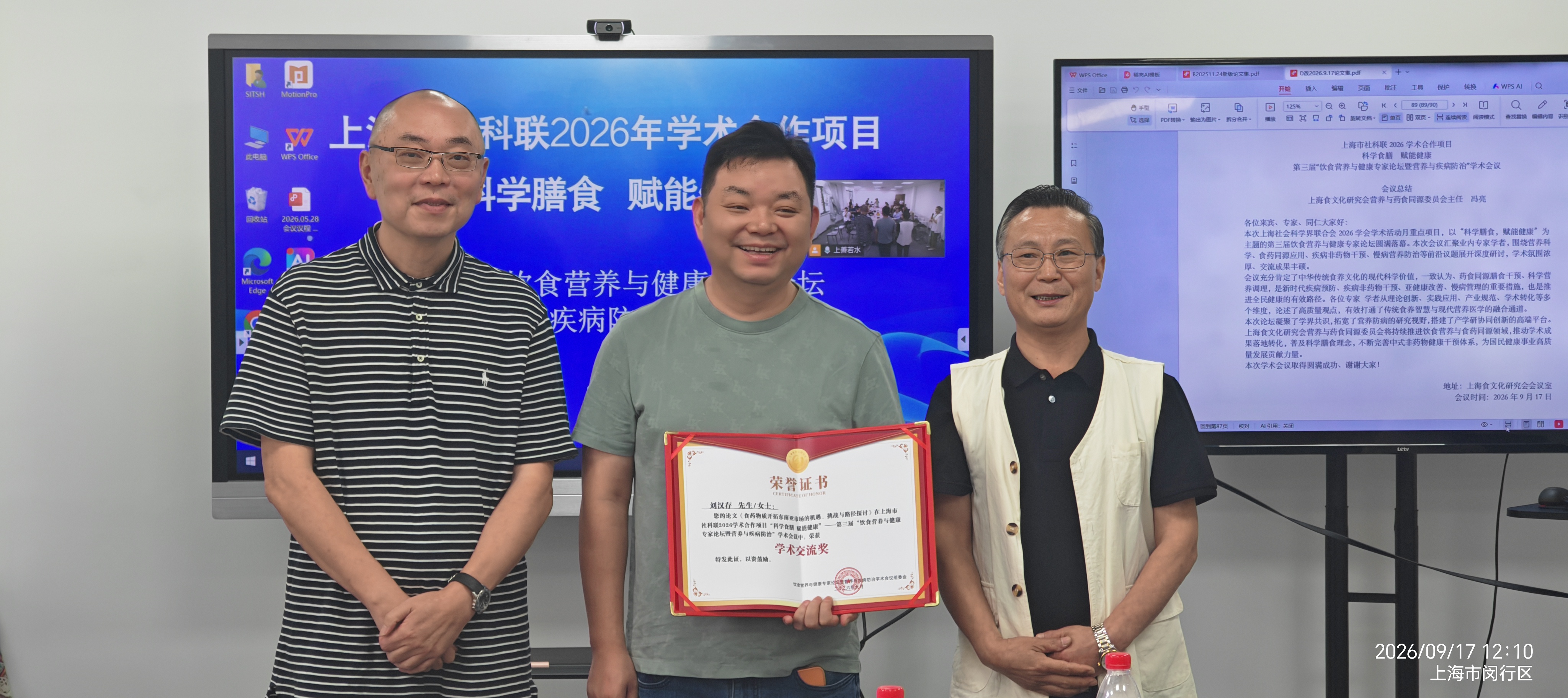
食药物质开拓东南亚市场的机遇、挑战与路径探讨
越南恒益健康医药贸易有限公司 董事长 刘汉存
【摘要】在 RCEP(区域全面经济伙伴关系协定)政策加持与全球天然健康消费兴起的背景下,食药同源物质出海成为大健康产业国际化的重要方向。东南亚草本养生文化基础深厚,是食药同源产品开拓海外市场的重点区域。本文结合越南恒益健康医药贸易有限公司跨境经营实践,分析食药同源物质进入东南亚市场的机遇,剖析各国监管标准不一、注册流程复杂、本土化适配不足、认证壁垒及品牌竞争力偏弱等现实问题。研究表明,食药同源物质出海不能照搬国内模式,应当严守合规底线,推动产品与宣传本土化升级,发挥本土贸易企业桥梁作用,打通原料供给、渠道分销全链条,促进传统食养传统出海与产业经济效益协同发展。
【关键词】食药同源 东南亚市场 跨境贸易 合规准入 健康产业国际化
【论述研讨】RCEP 带来关税减免、通关便利等红利,东南亚亚健康人群增多,民众对天然草本养生需求持续上升,加之当地传统医药文化与华人消费基础,为食药同源物质出海提供良好市场环境。越南恒益健康医药贸易有限公司深耕中越健康贸易,在业务实践中看到市场机遇,同时也发现诸多现实阻碍。东盟尚未建立统一的产品准入标准,各国对食品、功能性食品、传统药物划分不同,国内部分食药同源原料在当地需要重新申报注册,周期长、合规成本高。国内食药同源目录与当地监管目录存在差异,部分原料缺少本地安全评估数据,海外严禁医疗功效宣传,国内宣传话术无法直接套用。市场层面,本土草本产品、欧美膳食补充剂竞争激烈,国内产品多以原料出口为主,成品品牌化程度低。印尼、马来西亚等穆斯林国家,清真认证是进入主流渠道的必要条件,不少国内企业缺少相关资质。针对上述问题,企业应当前置合规工作,针对不同国别梳理监管要求,完善质量检测,规范多语种标签,按需办理清真、GMP 认证。立足东南亚饮食气候特点优化产品剂型,开发草本茶、养生粉剂等适配产品,调整宣传口径,侧重天然养护等合规表述。发挥本土贸易企业优势,对接当地药企、药房、商超与电商平台,打通供应链与分销渠道,同时加强中外传统医药交流,积累本土化安全数据,提升产品认可度。
【总结】东南亚市场为食药同源物质国际化提供广阔空间,但出海不是简单货物出口,而是合规、产品、渠道、文化的综合落地。依托本土医药贸易企业搭建桥梁,坚持合规先行,推进产品本土化改良,完善渠道建设,才能推动食药同源物质扎根东南亚,实现传统食养文化传播与跨境产业高质量发展的双赢。
地址:上海食文化研究会会议室 会议时间:2026 年 9 月 17 日
Shanghai Social Science Federation 2026 Academic Cooperation Project
Scientific diet empowers health
The 3rd "Diet, Nutrition and Health Expert Forum and Nutrition and Disease Prevention and
Control" Academic Conference
Discussion on the opportunities, challenges and paths of food and medicine to develop the Southeast
Asian market
Vietnam Hengyi Health and Medicine Trading Co., Ltd. Liu Hancun
【Abstract】Under the background of the policy support of RCEP (Regional Comprehensive
64Economic Partnership Agreement) and the rise of global natural health consumption, the overseasdevelopment of homogenous substances has become an important direction for theinternationalisation of the big health industry. Southeast Asia has a deep foundation of herbal health culture, and it is a key area for the development of overseas markets for food products of the same origin. This article combines the cross-border business practice of Vietnam Hengyi Health and Medicine Trading Co., Ltd., analyses the opportunities for food and homogenous substances to enter the Southeast Asian market, and analyses the practical problems such as different regulatory standards,complex registration processes, insufficient localisation adaptation, certification barriers and weak brand competitiveness in various countries. Research shows that the domestic model cannot be copied when food and medicinal substances of the same origin go to sea. We should strictly abide by the bottom line of compliance, promote the localisation and upgrading of products and publicity, give full play to the role of a bridge for local trade enterprises, open up the whole chain of raw material
supply and channel distribution, and promote the coordinated development of traditional food and breeding abroad and industrial economic benefits.
【Keyword】Food and medicine from the same source, Southeast Asian market, cross-border trade, compliance access, internationalisation of health industry
【Discussion】RCEP has brought dividends such as tariff reduction and convenient customs clearance. The number
of sub-healthy people in Southeast Asia has increased, and the public's demand for natural herbal health care has continued to rise. In addition, the local traditional medicine culture and the Chinese consumption base have provided a good market environment for food homogeneous substances to go abroad. Vietnam Hengyi Health and Medicine Trading Co., Ltd. is deeply engaged in Sino-Vietnam health trade, seeing market opportunities in business practice, but also finding many practical obstacles. ASEAN has not yet established unified product access standards. Different countries havedifferent classifications of food, functional food and traditional drugs. Some domestic raw materials
of the same origin of food need to be re-declared and registered locally, with long cycles and high compliance costs. There are differences between the domestic food catalogue and local regulatory catalogues. Some raw materials lack local safety assessment data. Overseas medical efficacy publicity is strictly prohibited, and domestic propaganda cannot be directly used. In terms of the market, local herbal products and European and American dietary supplements are fiercely competitive. Most domestic products are mainly exported from raw materials, and the degree of branding of finished products is low. In Indonesia, Malaysia and other Muslim countries, halal certification is a necessary
condition for entering mainstream channels, and many domestic enterprises lack relevantqualifications. In response to the above problems, enterprises should prior compliance work, sort out the regulatory requirements for different countries, improve quality testing, standardise multilingual labels, and handle halal and GMP certification on demand. Based on the characteristics of Southeast Asian diet and climate, optimise the product dosage form, develop herbal tea, health powder and other suitable products, adjust the publicity calibre, and focus on natural maintenance and other compliance expressions. Give full play to the advantages of local trading enterprises, connect local pharmaceutical
enterprises, pharmacies, supermarkets and e-commerce platforms, open up supply chains anddistribution channels, and strengthen exchanges between Chinese and foreign traditional medicine, accumulate local safety data, and improve product recognition.
【Summary】The Southeast Asian market provides a broad space for the internationalisation of substances of the same origin of pharmaceuticals, but going abroad is not a simple export of goods, but a comprehensive implementation of compliance, products, channels and culture. Relying on local pharmaceutical trade enterprises to build bridges, adhere to compliance first, promote product localisation and improvement, and improve channel construction, only by promoting the rooting of pharmaceutical substances of the same origin in Southeast Asia and realising a win-win situation for the dissemination of traditional food culture and the high-quality development of cross-border industries.
Address: Conference Room of Shanghai Food Culture Research Association Meeting
Time: September 17, 2026
审撰 :食药物质 健康中国栏目组 愚晏
摄影 :冯赟超 陈金宝
翻译 :国际食药物质与健康产业联盟 执行秘书长 孙丽
校对:国际疾病非药物干预科学应用联盟(中国代表处)执行秘书长 吴玲

 沪公网安备31011502404498号