上海市社科联 2026 学术合作项目
科学食膳 赋能健康
第三届“饮食营养与健康专家论坛暨营养与疾病防治”学术会议
特膳食品针对慢性病管理的干预分析讨论
百荟大生物科技(上海)有限公司董事长 冯赟超 论述研讨
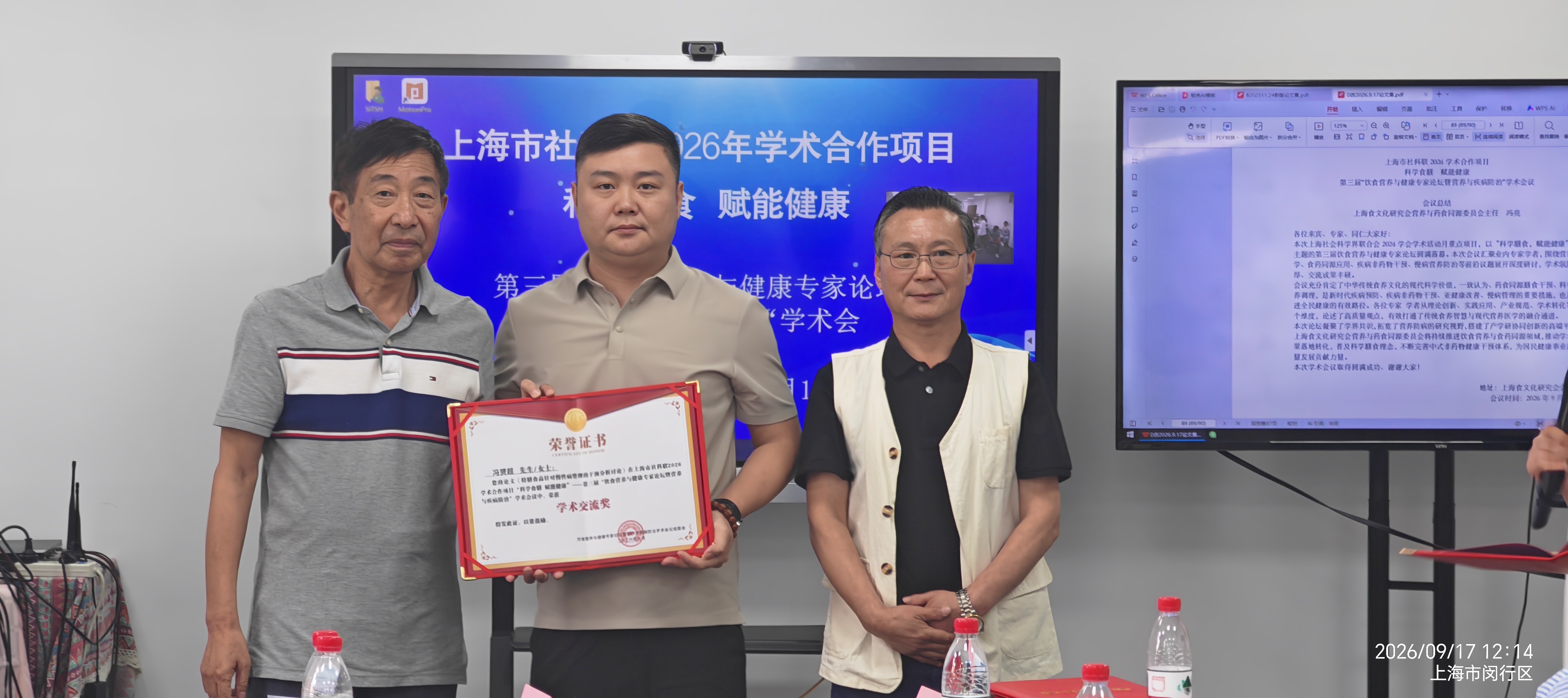
特膳食品针对慢性病管理的干预分析讨论
百荟大生物科技(上海)有限公司 董事长 冯赟超
【摘要】慢性病普遍伴随机体代谢紊乱与慢性低度炎症,营养结构失衡是加剧病情、诱发并发症、降低生活质量的核心危险因素。特殊膳食营养食品(特膳食品)依据慢病人群病理代谢特征、脏器耐受能力与营养缺失规律进行精准配方设计,可有效纠正营养失衡、调控机体代谢水平,是慢性病非药物干预体系的重要组成部分。本文结合百荟大生物科技(上海)有限公司特膳研发与慢病营养干预实践,剖析特膳食品在慢病全程管理中的干预机制与应用价值,总结当前临床转化不足、个体化适配薄弱、市场认知混乱等行业痛点。研究表明,特膳营养干预需深度嵌入临床慢病管控体系,依托循证数据、标准化营养筛查与个性化方案落地,构建科学规范、长效可持续的慢病营养干预模式。
【关键词】特膳食品 慢性病非药物干预 代谢调节 慢病综合管理
【论述研讨】慢性病病理状态会重塑人体糖、脂、蛋白质代谢通路,常规膳食难以适配病患特殊生理需求,长期营养摄入失衡将加重脏器代谢负荷,形成“代谢紊乱—病情加重—营养恶化”的恶性循环。特殊膳食营养食品(特膳食品)通过优化宏量营养素配比、科学添加功能性微量营养与活性成分,能够改善胰岛素抵抗、降低机体微炎症水平、减轻肝肾代谢压力,从营养层面辅助调控慢病进展,适用于糖尿病、代谢综合征等慢病的辅助干预。当前特膳食品在慢病管理落地中存在诸多深层问题。
(1)国内特膳产品缺乏不同慢病分型、病程阶段的真实世界循证数据,临床适配性论证不足,导致医疗机构认可度和临床渗透率偏低。
(2)行业认知边界模糊,大众及基层医护人员难以区分特膳食品、普通保健品与日常膳食的差异,存在盲目服用、夸大功效或忽视营养干预价值等偏差,严重影响干预规范性与实际效果。
(3)市面产品多为通用型配方,无法适配不同年龄、并发症及营养基线的患者,且缺乏系统化随访服务,造成营养干预碎片化,难以实现长效慢病调控。
企业应深耕慢病代谢机理研究,迭代靶向性特膳配方,持续积累临床应用数据;搭建营养筛查、个性化配餐、定期随访的完整服务闭环,严守宣传规范,杜绝概念炒作,推动特膳从单一产品供给,转向专业化、系统化的慢病营养非药物干预方案输出。
【总结】慢性病精细化非药物干预、管理需药物治疗与营养干预协同发力,药物控制临床指标,营养非药物干预修复机体代谢基础,二者相辅相成。特殊膳食营养食品(特膳食品)凭借精准靶向的营养调控优势,弥补了传统慢病管理中营养干预的短板,是提升慢病管理质量的重要抓手。未来需深化医企协同,完善特膳循证体系,统一行业认知标准,推进个体化营养干预落地,让特膳营养深度融入慢病防控体系,有效降低慢病恶化及并发症风险,助力国民慢病健康管理高质量发展。
地址:上海食文化研究会会议室 会议时间:2026 年 9 月 17 日
Shanghai Social Science Federation 2026 Academic Cooperation Project
Scientific diet empowers health
The 3rd "Diet, Nutrition and Health Expert Forum and Nutrition and Disease Prevention and
Control" Academic Conference
Analysis and discussion on the intervention of special dietary products for the management of
chronic diseases
Baihuida Biotechnology (Shanghai) Co., Ltd. Feng Yunchao
【Abstract】Chronic diseases are generally accompanied by body metabolism disorders and chronic low-grade inflammation. Nutritional structure imbalance is a core risk factor that aggravates the disease, induces complications, and reduces the quality of life. Special dietary nutritional foods (specialdietary products) are precisely formulated according to the pathological metabolic characteristics of chronic diseased people, organ tolerance and nutritional deficiency laws. They can effectively correct nutritional imbalance and regulate the metabolic level of the body. It is an important part of thenon-drug intervention system for chronic diseases. This article combines the research and
development of special meals and the practice of chronic disease nutrition intervention of Baihuida Biotechnology Co., Ltd., analyses the intervention mechanism and application value of special meals in the whole process of management of chronic diseases, and summarises the current pain points of the industry, such as insufficient clinical transformation, weak individualisation adaptation, and chaotic market recognition. Research shows that special diet nutrition intervention needs to be deeply embedded in the clinical chronic disease control system, relying on evidence-based data, standardised nutrition screening and personalised programs to build a scientific, standardised, long-term and
sustainable chronic disease nutrition intervention model.
【Keyword】Special meals, non-drug intervention for chronic diseases, metabolic regulation, comprehensive management of chronic diseases
【Discussion】The pathological state of chronic diseases will reshape the metabolic pathways of sugar, lipids and proteins in the human body. It is difficult for the regular diet to adapt to the special physiological needs of patients. The long-term imbalance of nutritional intake will aggravate the metabolic load of internal organs, forming a vicious circle of "metabolic disorders - aggravation of the disease - deterioration of nutrition". Special dietary nutrition foods (special dietary products) can improve insulin resistance, reduce the level of microinflammation, reduce the metabolic pressure of liver and kidney, and assist in regulating the progression of chronic diseases from the nutritional level by
optimising the ratio of macronutrients and scientifically adding functional micronutrients and active ingredients. It is suitable for diabetes, metabolic syndrome and other slow Auxiliary intervention of the disease. At present, there are many profound problems in the implementation of special meals in the management of chronic diseases. First, domestic special food products lack real-world evidence-based data on different chronic disease types and course stages, and the clinical adaptability argument is insufficient, resulting in low recognition and clinical penetration rate of medical institutions. Second, the cognitive boundaries of the industry are blurred, and it is difficult for the public and grass-roots medical staff to distinguish the differences between special food products, ordinary health care
products and daily meals. There are deviations such as blind intake, exaggerating the efficacy or ignoring the value of nutritional intervention, which seriously affects the standardisation and practical effect of intervention. Third, most of the products on the market are general formulas, which cannot adapt to patients of different ages, complications and nutritional baselines, and lack systematic follow-up services, resulting in fragmentation of nutritional intervention and difficult to achieve long-term chronic disease regulation. Enterprises should deeply study the metabolic mechanism of chronic diseases, iterate targeted special diet formulas, and continuously accumulate clinical application data; build a complete closed-loop service for nutrition screening, personalised meals, and regular follow-up, strictly abide by the
publicity norms, eliminate concept hype, and promote special meals from single product supply to professional and systematic chronic disease nutrition. Output of non-drug intervention programs.
【Summary】The refinement of non-drug intervention and management of chronic diseases requiresthe synergy of drug treatment and nutritional intervention, drug control of clinical indicators, and nutritional non-drug intervention to repair the metabolic basis of the body, which complement eachother. With the advantage of precisely targeted nutritional regulation, special dietary foods (specialmeals) make up for the shortcomings of nutritional intervention in traditional chronic disease management, which is an important tool to improve the quality of chronic disease management. In the future, it is necessary to deepen the coordination between medical enterprises, improve the
evidence-based system of special meals, unify industry cognitive standards, promote the implementation of individualised nutrition interventions, deeply integrate special diet nutrition into the chronic disease prevention and control system, effectively reduce the risk of chronic disease deterioration and complications, and help the national chronic disease health management achieve
high-quality development.
Address: Conference Room of Shanghai Food Culture Research Association Meeting
Time: September 17, 2026
审撰 :食药物质 健康中国栏目组 愚晏
摄影 :冯赟超 陈金宝
翻译 :国际食药物质与健康产业联盟 执行秘书长 孙丽
校对:国际疾病非药物干预科学应用联盟(中国代表处)执行秘书长 吴玲



 沪公网安备31011502404498号